Illustrative case study: manufacturing, not a real client
They didn’t need more marketing.
This page shows how a nuordinary case study is written, using a composite precision machining shop that assumed it needed more marketing. Nothing here is a claim about a real client. It follows the same six parts every real case uses, from the situation to what happens next.
[01] The situation
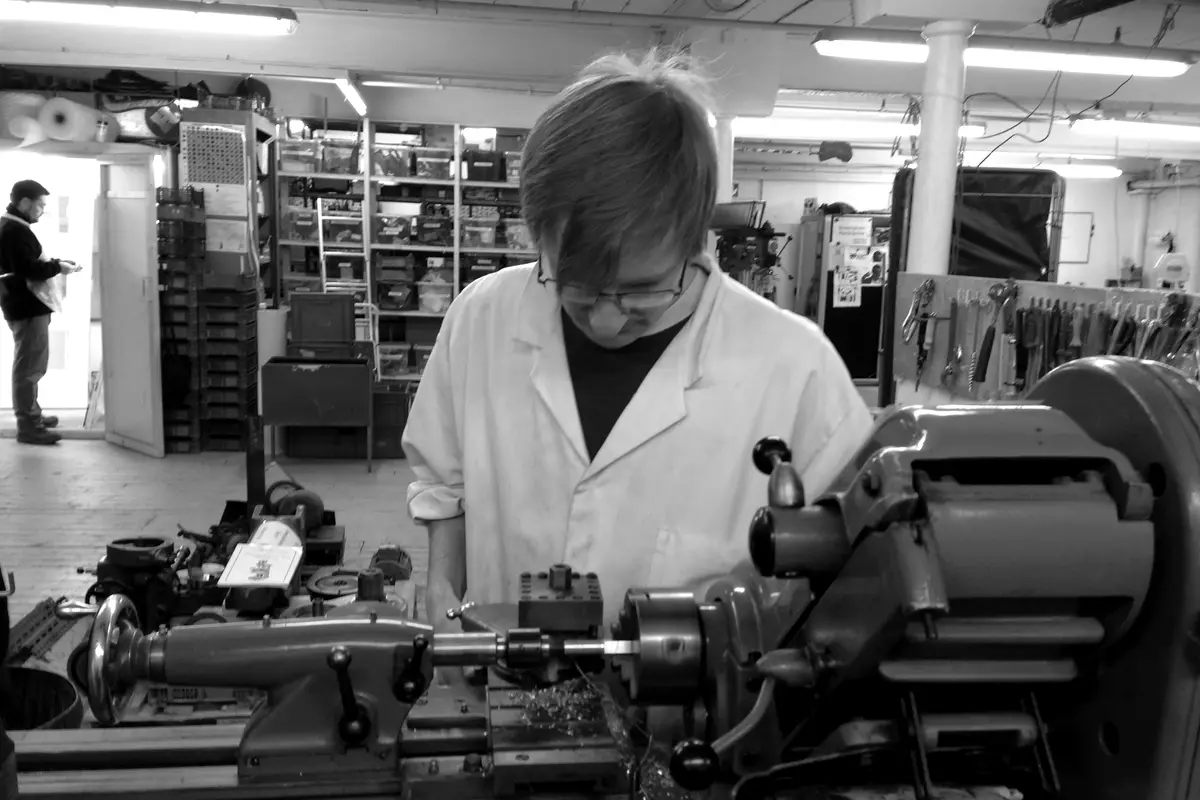
A family-owned precision machining shop, forty years old, known by name in the region. Sales had flattened. The owners assumed they needed more marketing: a new website and a round of ads.
[02] What we found
Buyers weren’t failing to find them. Buyers found them and couldn’t tell what they could make. Quotes came in by phone and email, lived in three spreadsheets and took a week to answer. The interest was there. The business couldn’t see it, or answer it fast enough.
[03] The move
Fix the path from question to quote before spending another dollar on reach.
[04] What we built
A site organised around the questions buyers actually ask: tolerances, materials, volumes, lead times. One intake form feeding one system instead of three spreadsheets, with the routine steps automated. Tracking that ties each enquiry to where it came from.
[05] The result
This is where a real client’s figures go, once they sign them off. We measure movement, not activity, and we don’t publish invented numbers.
[06] Where next
With quotes moving, the next question is capacity: what to automate on the shop floor, and what to hire for.